
Education
-

What Comes After The Information Age?
by TeachThought Staff Many labels describe the ethos and characteristics of specific times in history. The Dark Ages. The Renaissance.…
Read More » -

How Can Schools Respond To Book Bans And Policing? –
The recent politicizing of–well, almost everything–has put education on the frontline of issues ranging from COVID to widely misunderstood issues…
Read More » -
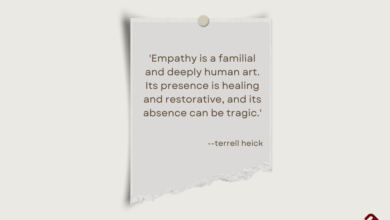
Can You Teach Empathy? –
Can You Teach Empathy? by TeachThought Staff The Definition Of Empathy In the Difference Between Empathy And Sympathy, we offered…
Read More » -
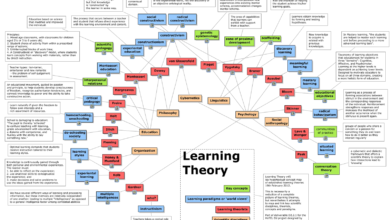
Learning Theories All Teachers Should Know
by TeachThought Staff Learning theory–and the research that goes into it–is a topic seen frequently in universities and teaching programs,…
Read More » -

12 Reasons Students Don’t Read & What You Can Do About It
12 Common Reasons Students Don’t Read & What You Can Do About It by Terry Heick Why don’t students read…
Read More » -
Best Vocabulary Apps For Middle & High School Students
by TeachThought Staff Many of the most successful apps–in any category–are characterized by their ability to adapt to various user…
Read More » -

High-Performing Classrooms: 32 Characteristics
by Terry Heick This post was originally written in 2013 and updated in 2023 Instructional design is the strategic creation…
Read More » -
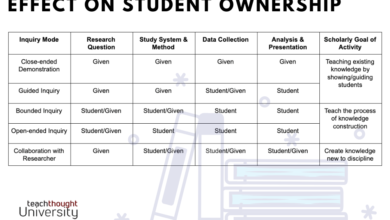
5 Inquiry Modes And Their Effect On Student Ownership
Student ownership is the degree to which a learner feels a natural sense of responsibility and curiosity about their work.…
Read More » -
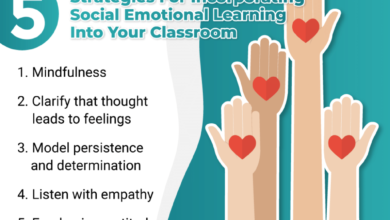
Social Emotional Learning Strategies For The Classroom
contributed by Meg Price, the ei experience Social-emotional learning (SEL) by definition is a process for learning life skills, including…
Read More » -

The Potential Of Disruptive Learning Technology –
AI & Education: AI Smart Mentor in the Field of Education—Towards a Paradigmatic Revolution contributed by Jean Arnaud, founder, professor…
Read More »