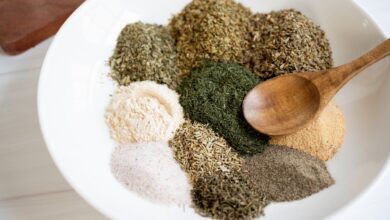
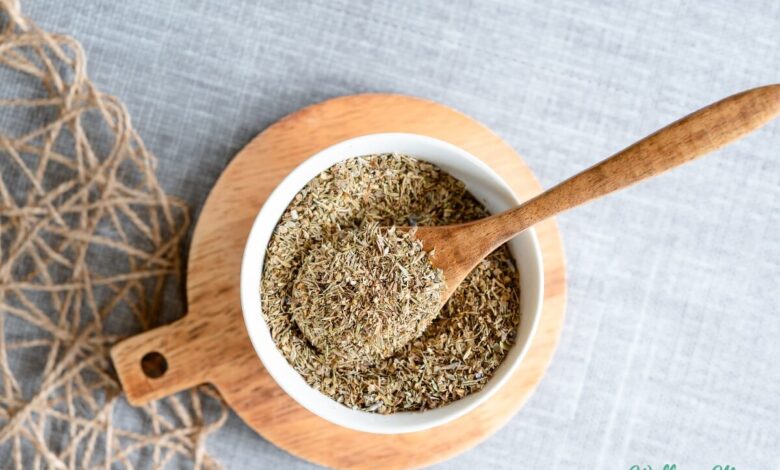
I’m never without homemade herbes de Provence in our kitchen. Abundant in the south of France, this spice mix really speaks to my love of French cooking. I use it in just about anything I can!
My mom’s French heritage was a big influence growing up, and because of her, I will always have a soft spot for French dishes like boeuf bourguignon and pâté. I’m no Julia Child (or even Martha Stewart for that matter!), but I do try to incorporate French recipes in our meal plan whenever possible.
Many people think French cooking is fussy or difficult, but it doesn’t have to be.
The French Cure for Picky Eaters
I’ve always been fascinated by French food culture and how even children in France typically like a wide variety of foods. We can learn a lot from the French, especially in how we teach our children to view food. I actually devoted a part of my Wellness Mama Cookbook to this topic!
A big part of raising non-picky eaters is exposing kids to well-rounded, varied flavors—like those in this seasoning blend.
What is Herbs de Provence?
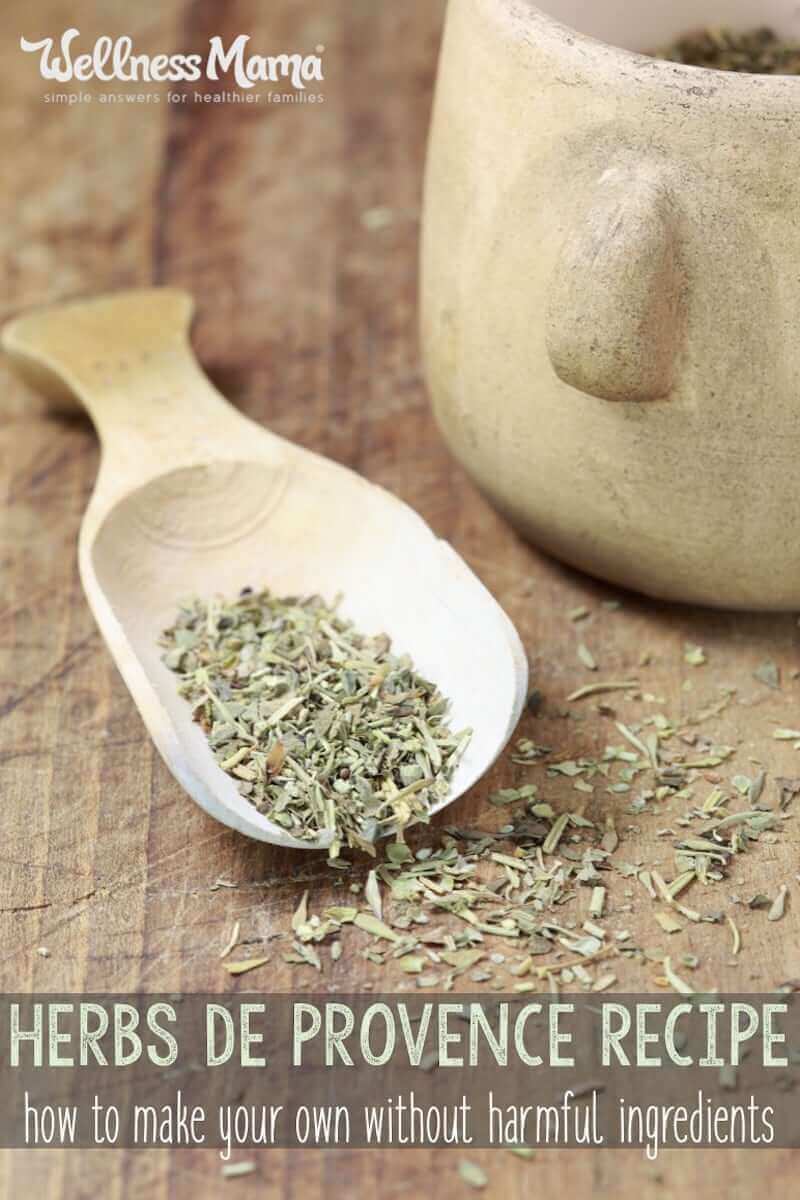
The blend originated in the south, or Provence region, of France, and is made up of herbs that naturally grow in that area. The original blend of herbs de Provence ingredients contained summer savory, thyme, marjoram, and rosemary. Later on, lavender, fennel, and even orange zest were added to certain versions. Many of the herbs de Provence spice blends at the grocery stores include lavender and other herbs.
Not only do they taste good, but these herbs have strong antimicrobial properties to help the immune system do its job. Among many other things, rosemary helps with memory, thyme is great for the lungs, and marjoram helps relax nervous tension. Lavender is also good for stress relief, orange zest is uplifting, and fennel helps aid digestion. Together, they make for a powerful and tasty spice blend.
Herbs de Provence vs Italian Seasoning
While I love both seasonings, they definitely have some differences. Italian seasoning also includes thyme and rosemary, but you’ll often find spicy oregano and basil in there too. And most versions of Italian seasoning don’t include marjoram or summer savory (and certainly not lavender)!
If you need an herbs de Provence substitute, the simplest recipe is summer savory, thyme, marjoram, and rosemary.
How to Make Herbs de Provence
It’s very simple, but it does require an extra step compared to many of my spice blend recipes. Usually I just add all of the herbs to a jar, shake, and voila… done. Since these herbs are often whole, like fennel seeds or lavender buds, I do a quick run through the food processor first. Not only does it make them easier to use in recipes, but freshly ground herbs are more fragrant and flavorful. Blending or chopping herbs releases more of their volatile oils so they taste fresher.
So what is herbes de Provence for anyway, besides sounding fancy? The answer is a lot!
How to Use This Homemade Seasoning
Herbes de Provence is very versatile. It can be described as bold, woodsy, and a little bit floral. It pairs well with almost any cut of meat (especially pork and chicken recipes) and really complements most fish and seafood. I often add it to homemade soups and broths too.
We love to pre-mix a little into grass-fed butter and keep it at the ready for topping veggies, sourdough bread, or cauliflower rice. It also makes a great addition to breakfast dishes like my favorite sous vide egg bites or homemade breakfast sausage.
Try adding herbs de Provence compound butter to a roast chicken before putting it in the oven. Since the herbs are chunkier, not quite powdered, they work best when added to the beginning of recipes. This gives them a chance to infuse their flavors into the dish. It’s equally delicious on roasted vegetables or potatoes.
A bonus… not only is it healthy and tastes good, but it fills the kitchen with amazing smells!
You can certainly buy it from the store, but this homemade herbes de Provence spice blend and other homemade spice blends are a great way to save time and money. And this way, you know exactly how long it’s been sitting on the shelf! It’s also a fun and easy kitchen project kids can help make.
Homemade Herbs de Provence Recipe
Homemade herbs de Provence combines herbs like thyme and marjoram with lavender, fennel, and orange zest for a savory and flavorful spice blend.
-
Use a mortar and pestle or a food processor to lightly grind any herbs that are whole, such as the rosemary, lavender flowers, or fennel. The herbs should be coarse, not finely ground.
-
If you are zesting the orange yourself, remove the zest of one organic orange and dry it in an oven on lowest setting or a dehydrator until completely dry.
-
Combine all ingredients in a jar or bowl and mix.
-
Store in an airtight container away from heat and light.
Nutrition Facts
Homemade Herbs de Provence Recipe
Amount Per Serving (1 tsp)
Calories 9
Calories from Fat 2
% Daily Value*
Fat 0.2g0%
Saturated Fat 0.1g1%
Polyunsaturated Fat 0.04g
Monounsaturated Fat 0.01g
Sodium 2mg0%
Potassium 28mg1%
Carbohydrates 2g1%
Fiber 1g4%
Sugar 0.04g0%
Protein 0.3g1%
Vitamin A 131IU3%
Vitamin C 2mg2%
Calcium 60mg6%
Iron 3mg17%
* Percent Daily Values are based on a 2000 calorie diet.
- Mix a teaspoon or two of this flavorful herb blend into softened butter for topping vegetables, season chicken or seafood, or use it to make your own breakfast sausage.
- The total yield for this recipe is about 1/2 cup plus 2 teaspoons of herbs de Provence.
Herbs de Provence Alternate Recipe
I’ll often buy my herbs in bulk online, but sometimes savory can be difficult to find at your local store. If you’re looking for a recipe without summer savory or just something new to try, I like this blend too. Simply process, mix, and store like the above recipe. All of the following herbs are dried:
- 2 TBSP thyme
- 2 TBSP rosemary
- 1 TBSP basil
- 1 TBSP oregano
- 1 TBSP summer savory (optional but traditional)
- 1 tsp marjoram (optional)
- 1 tsp lavender buds (optional)
Have you ever used herbes de Provence? What French flavors do you love?
Source link